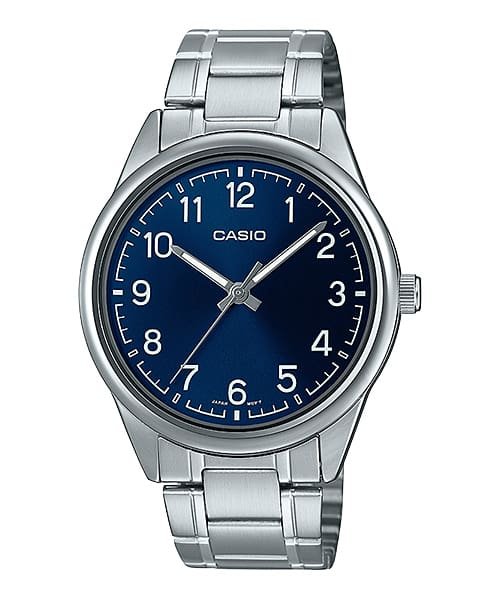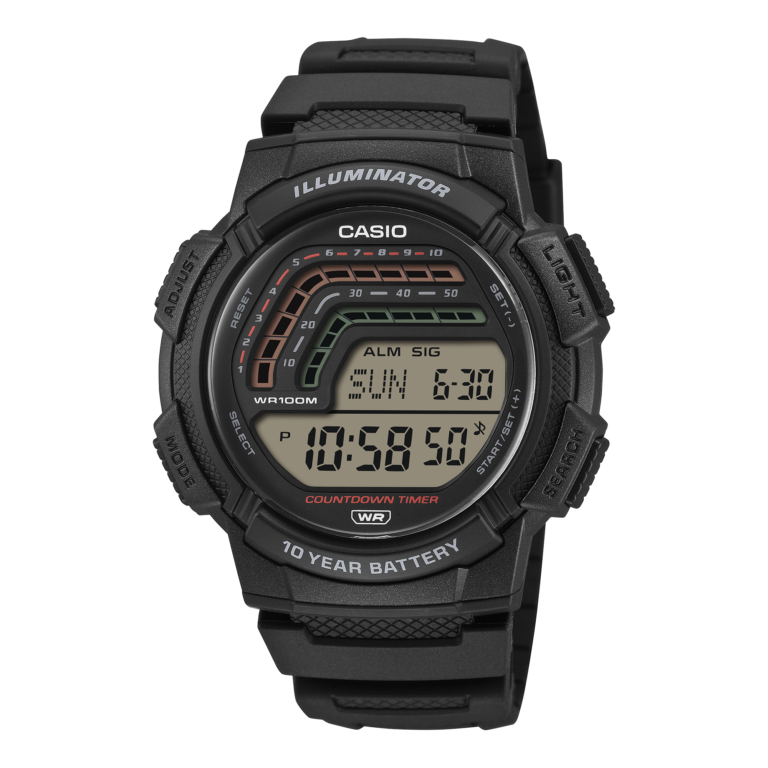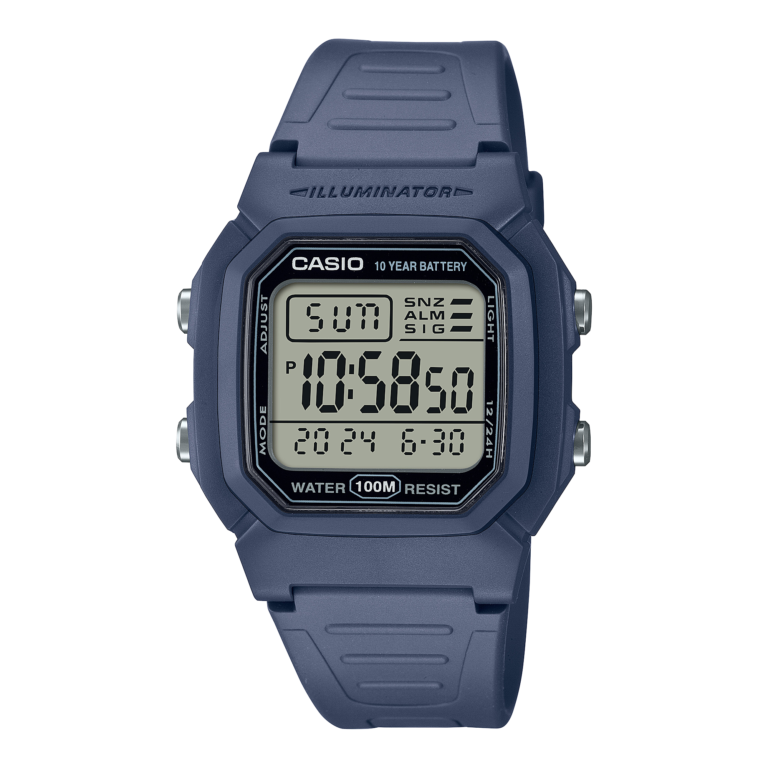
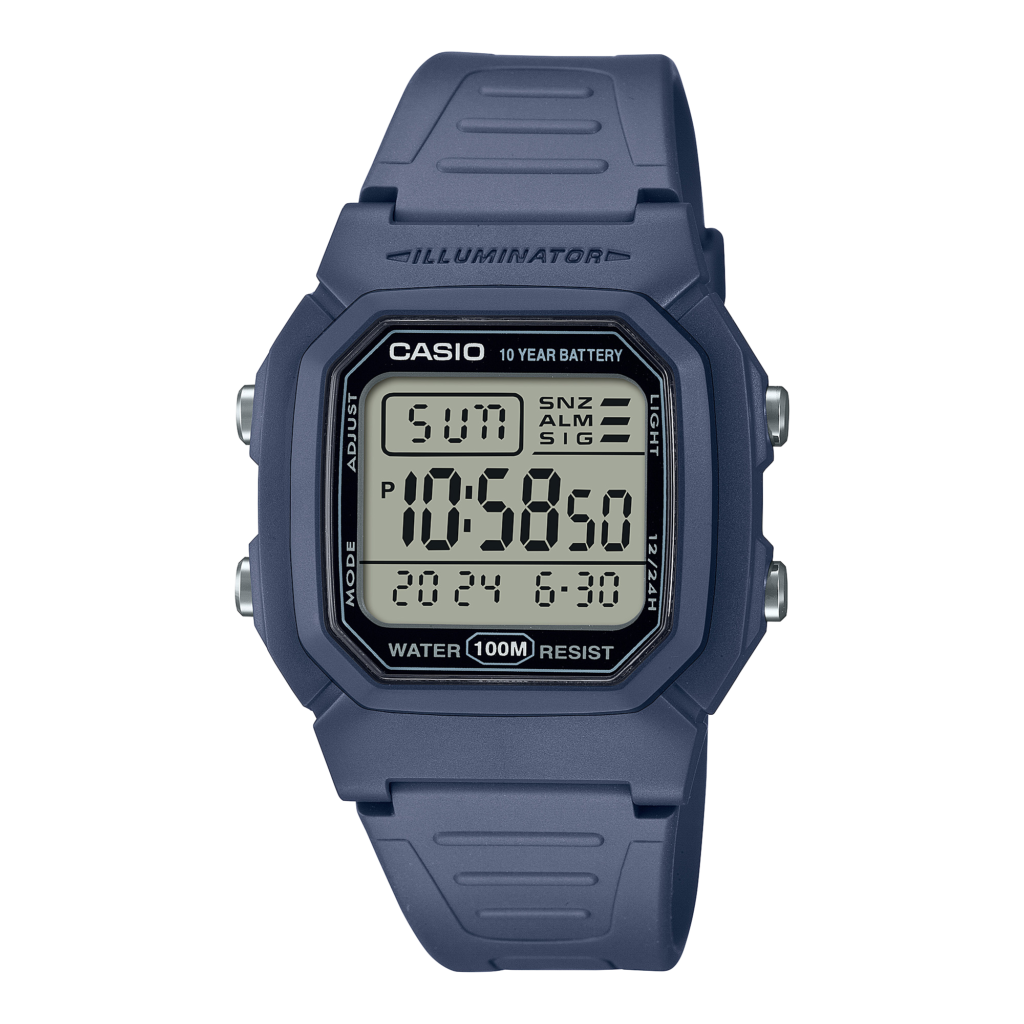
Look at the back or dial of almost any Casio watch and you will see a water-resistance marking. It is one of the most useful specifications on a watch — and one of the most misunderstood. The depth printed on the case is not a depth you can actually dive to. It is a test pressure. This guide explains what each rating means in real life, so you can choose the right watch for the way you live in the UAE.
Quick answer: which rating do you need?
| Marking | Fine for | Not for |
|---|---|---|
| Water Resistant (no depth) | Hand-washing, rain, splashes | Swimming, showering, the pool |
| 50 m / 5 bar | Swimming in a pool or calm sea, showering | Snorkelling, diving, jet-skiing |
| 100 m / 10 bar | Swimming, snorkelling, water sports | Scuba diving |
| 200 m / 20 bar | Marine sports and skin diving | Saturation diving (needs a certified diver’s watch) |
Why “50 m” doesn’t mean you can dive to 50 metres
Water-resistance ratings come from laboratory pressure tests carried out on a still watch. In the real world, movement adds pressure: diving into a pool, a wave hitting your wrist or a fast swimming stroke can briefly put far more pressure on the seals than the water depth alone. That is why a watch marked 50 m is suitable for swimming but not for snorkelling or diving.
What each rating means on our watches
Water Resistant (daily use)
Models such as the Casio MQ-24 and the MTP-V005D are marked simply “Water Resistant”. They will cope with rain, splashes and washing your hands, but you should take them off before swimming or showering.
50 metres
Watches such as the MTP-1374L, MTP-B185D and the retro W-218H are rated 50 m. You can swim in them, but avoid diving, snorkelling and high-speed water sports. Leather straps, like those on the MTP-1374L, should still be kept dry — water shortens the life of leather even when the watch case is fine.
100 metres
The W-800H, WS-1700H and WS-1800 are rated 100 m — the best choice for the beach, the pool and snorkelling trips along the UAE coast.
Five habits that protect water resistance
- Don’t press buttons underwater — it can let water past the seals.
- Avoid hot water — saunas, hot tubs and very hot showers make the gaskets expand and age faster.
- Rinse after the sea — salt and sand are abrasive; rinse in fresh water and dry with a soft cloth.
- Use a qualified technician for battery changes — opening the case disturbs the seals, which should be checked and replaced when needed.
- Remember seals age — rubber gaskets harden over the years, especially in UAE heat, so an older watch may no longer meet its original rating.
Frequently asked questions
Can I shower with a 50 m watch?
Generally yes, but hot water and soap are hard on gaskets over time. If you want a watch you never take off, choose a 100 m model.
Where do I find the rating?
It is printed on the case back or dial (for example “WR50M” or “WATER RESIST”), and listed under “Water resistance” in the specifications on every product page on our site.
Find the right watch
Browse our digital watches for 100 m sports models, or our analog watches for everyday and office wear. Not sure? Visit us at Al Ghurair Centre, Dubai, or message us on WhatsApp on +971 55 858 1078.